
We’ve had quite a year of positive impact through local grazing demonstration projects, sponsoring educational workshop opportunities, and focusing our impact where it matters most – in the hands of livestock producers, farmers and ranchers whose innovations and research are important for learning how to better grazing management practices. In a few moments, you’ll read more about this on-the-ground work, but first, we want to remind our supporters and readers about the opportunities for grand funding that Montana GLC (MT GLC) offers.
If you’re familiar with our website and funding offerings, you can skip ahead to the good stuff and read about ongoing projects led by Katrina Sloan at 7B Farmstead LLC, and Box X Creep Grazing with Montana State University, and multiple educational workshops we’ve supported this year.
Grant & Funding Details –
We have a brand new website we’re proud of and hope you’ll explore outside of this blog. There’s a specific page where you can apply for grant funding, stay updated about events near you, learn about our work and the background of MT GLC, and review resources in our Resource Hub that cover many relevant topics such as grazing and infrastructure, funding, and wildlife. Regarding funding support, MT GLC has two streams of small-scale funding opportunities in support of grazing lands.
Our funding supports on-the-ground demonstration projects and education grants. The requirements for reporting are different for both, with both opportunities requiring 100% proof of matching funds. Timelines to be aware of when applying are as follows:
Grant applications of $500 or less are accepted year-round and are reviewed by the MT GLC Board on a monthly basis.
Grant applications of greater than $500 are accepted biannually by or before: OCTOBER 1 and APRIL 1
Project Stories –
Over the last 35 years, MT GLC has supported a wide variety of projects similar to the workshops and demonstrations we have already been able to support this calendar year. Building on the strong foundation of past leaders, our current board and Executive Director have a reinvigorated approach to supporting grazing land management and a refreshed perspective, we know that when we work in collaboration towards the same goal, as Rick Caquelin, MT GLC Board Chairman, shared, we will keep grazing lands, grazing lands.
So far during this year we’ve directed our funding efforts to support multiple demonstration projects, two which we’ll be highlighting here: 7B Farmstead LLC Adaptive Grazing; and Box X Creep Grazing with Montana State University. Both projects are financially anchored by contributions from the producers leading the work.
7B Farmstead Adaptive Grazing Demonstration Project –
In an effort to implement a virtual fencing collar system to improve grazing management across several of their smaller-acreage leased pasture properties in the Bitterroot Valley of western Montana, 7B Farmstead applied for a grant to support their applied research with the intent of sharing findings with other smaller-acreage and/or dairy producers throughout the state. Virtual fencing technology allows livestock to be managed through GPS-based boundaries rather than permanent fencing, which gives them the ability to rotate animals more frequently and respond quickly to changing pasture conditions. By rotating their dairy cattle more frequently, 7B Farmstead is promoting pasture recovery, working to improve forage utilization and reduce the risk of overgrazing.
The goal of this project is to demonstrate how virtual fencing can help small and mid-sized livestock producers manage cattle more effectively on fragmented and leased grazing land, which is common throughout the Bitterroot Valley and other areas of Montana. By using virtual fencing, 7B Farmstead is able to control grazing pressure, adjust pasture size as forage conditions change, and protect sensitive areas without the cost of installing traditional fencing. Not only is this a massive cost savings, but the flexibility of virtual fencing means that areas such as riparian zones, waterways and newly recovered pasture will be protected. This means healthier plant communities, improved soil health and overall, better long-term productivity of grazing lands.
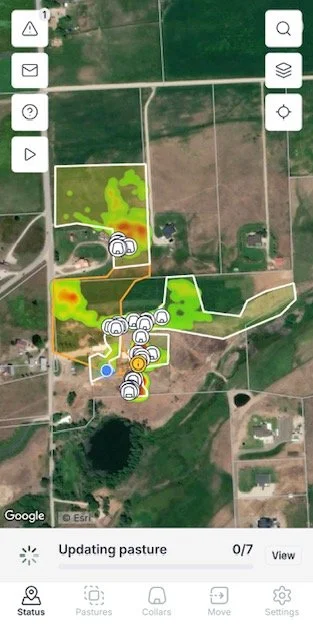
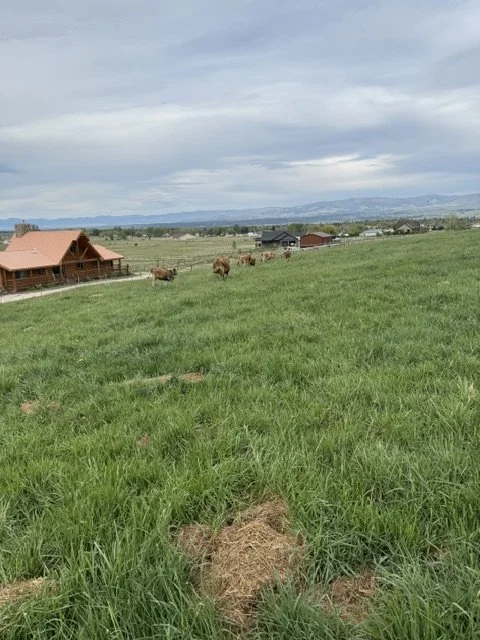
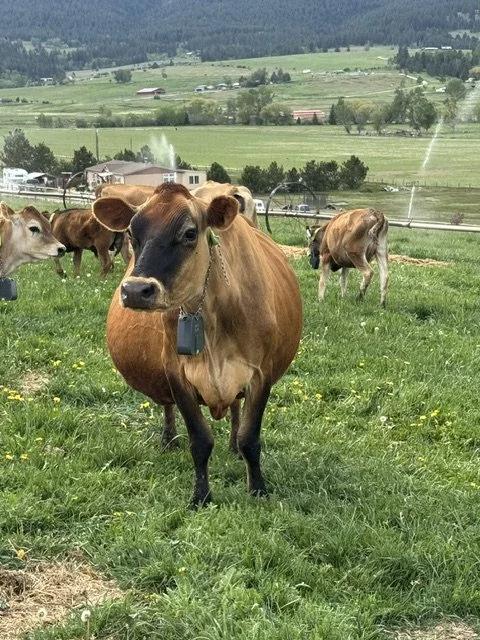
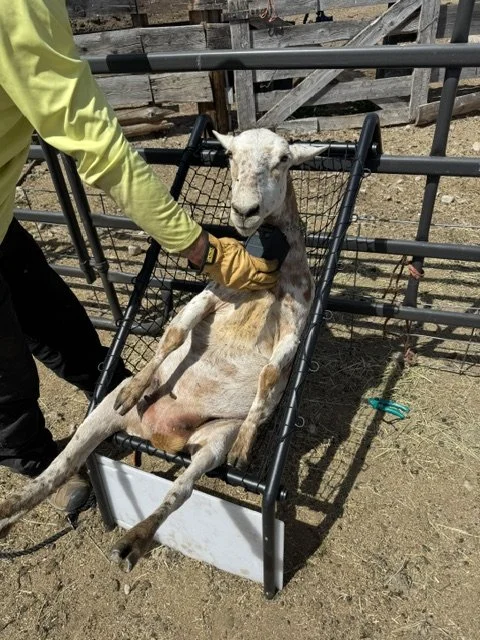
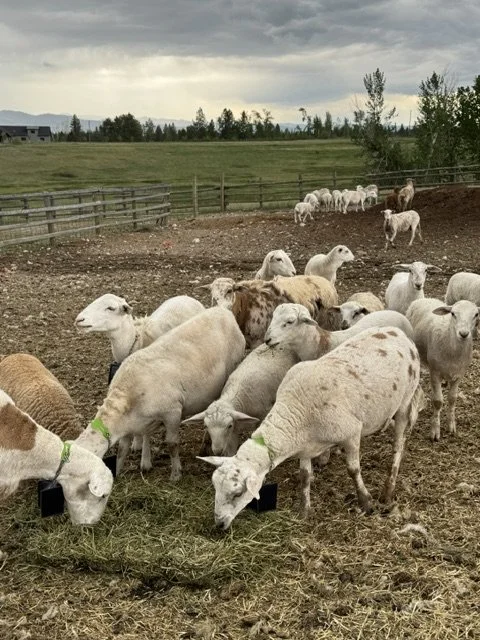
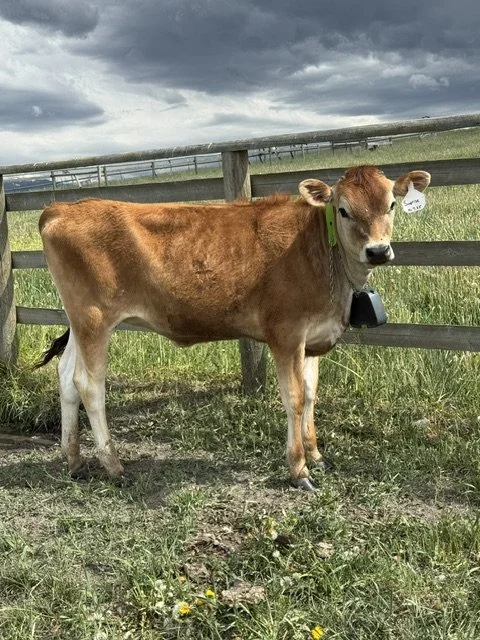
We’re looking forward to learning results because a project such as this one has far reaching impacts for other producers while supporting the entire Bitterroot region with scientific and sound research. 7B Farmstead is working with partners such as Ravalli County Economic Development Authority (RCEDA), Montana Farmers Union, NRCS and other regional livestock producers to implement virtual fencing. Together, they’re providing practice examples of how virtual fencing can help producers improve grazing management while also protecting natural resources.
Box X Creep Grazing with Montana State University (MSU) Demonstration Project –
This project in Alzada, Montana at The Box X requested a grant to work with GPS ear tag technology and researchers at Montana State to evaluate whether virtual fencing technology unintentionally creates a “creep grazing” effect for calves. In many commercial settings, producers have observed that young calves can cross virtual boundaries while their mothers remain contained. If this occurs, calves can access higher quality forage with no competition from other cows. Virtual fence collars are not rated for calves, so this project is important because it’s working to evaluate whether the “creep grazing effect” is real, consistent or economically meaningful.
In this demonstration project, two grazing strategies are being utilized over a full grazing season and then compared. One is a virtual fence rotational grazing strategy with calf creep access where cows are managed using intensive rotational grazing via virtual fencing and calves are free to graze outside the virtual boundary. The second is a traditional grazing strategy where cows and calves have unrestricted access to the same forage base throughout the season. GPS ear tags are being utilized to allow for calf distribution and tracking. Measurements will include calf weight gain, grazing distribution and activity patterns to determine whether calves in the virtual fence system achieve greater performance due to greater access to higher quality forage with no competition outside the virtual boundary.
The results of this project will help producers understand whether this emerging management strategy offers measurable calf production and ecological benefits. This project may strengthen the case for broader adoption of virtual fencing for improved regenerative grazing practices if the evidence supports that calves gain more weight and maintain better health when managed with virtual fence rotational grazing methods. MT GLC is one of three funders, and together with funding from MSU and contributions from The Box X, implementation has begun and we’re eagerly awaiting results.
Education Sponsorships and Grants –
MT GLC sponsors and supports educational projects such as workshops and agricultural community-focused events with financial grants. We also like to refer to them as mini-grants. These funding opportunities are small amounts of funding that make a big impact, so for us, it’s money well spent to support grazing lands. We love to see intentionally collaborative applications where the purpose of MT GLC’s financial support goes towards funding projects that promote the sound stewardship of grazing lands in Montana.
Supporting education through financial capacity is paramount regarding grazing lands. We champion educational opportunities where the intent is to increase awareness around adaptive management practices to steward natural resources and improve the economic viability of grazing lands.
Indigenous Grazing Lands Coalition (IGLC) Workshop at Fort Belknap –
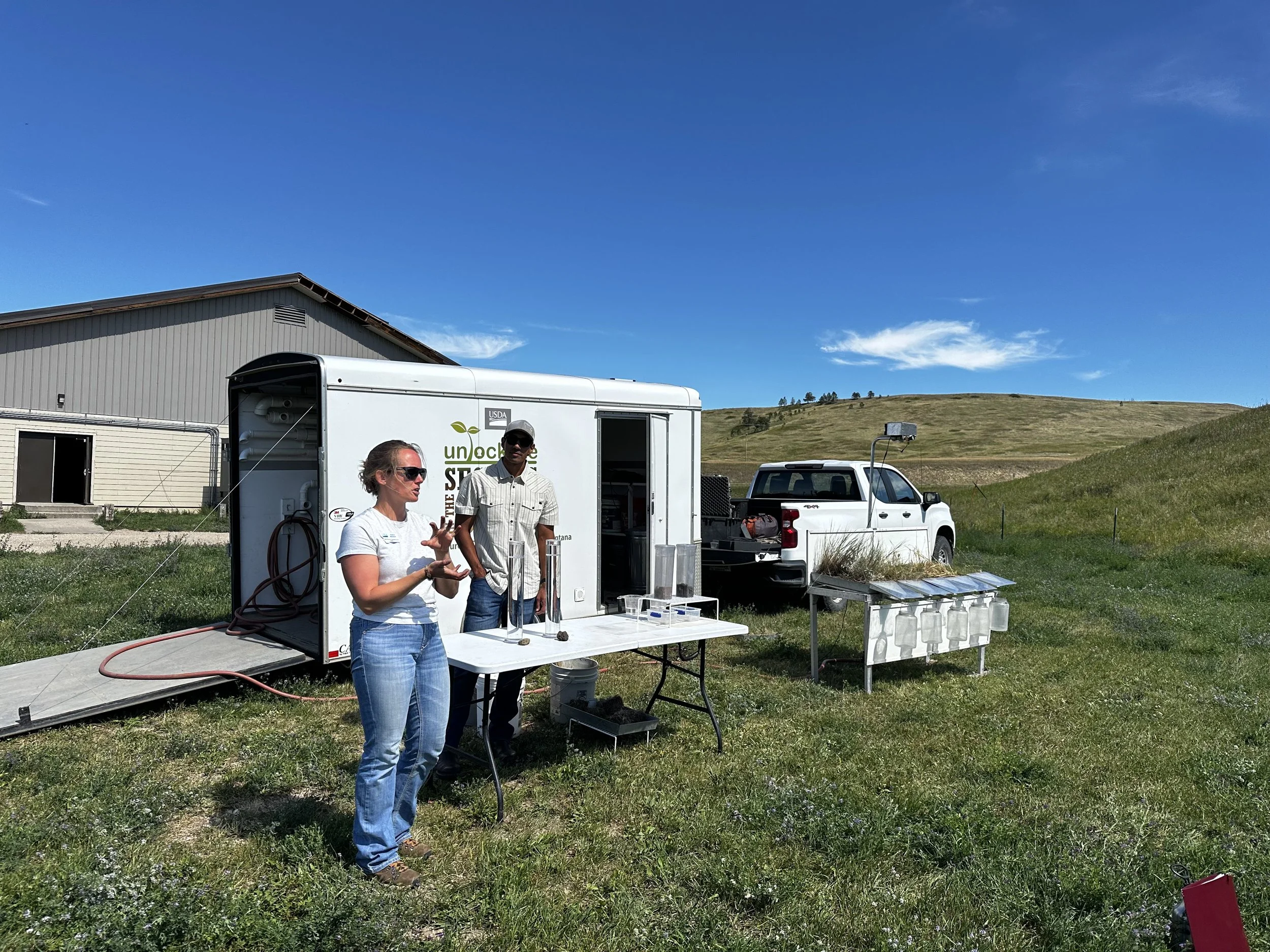
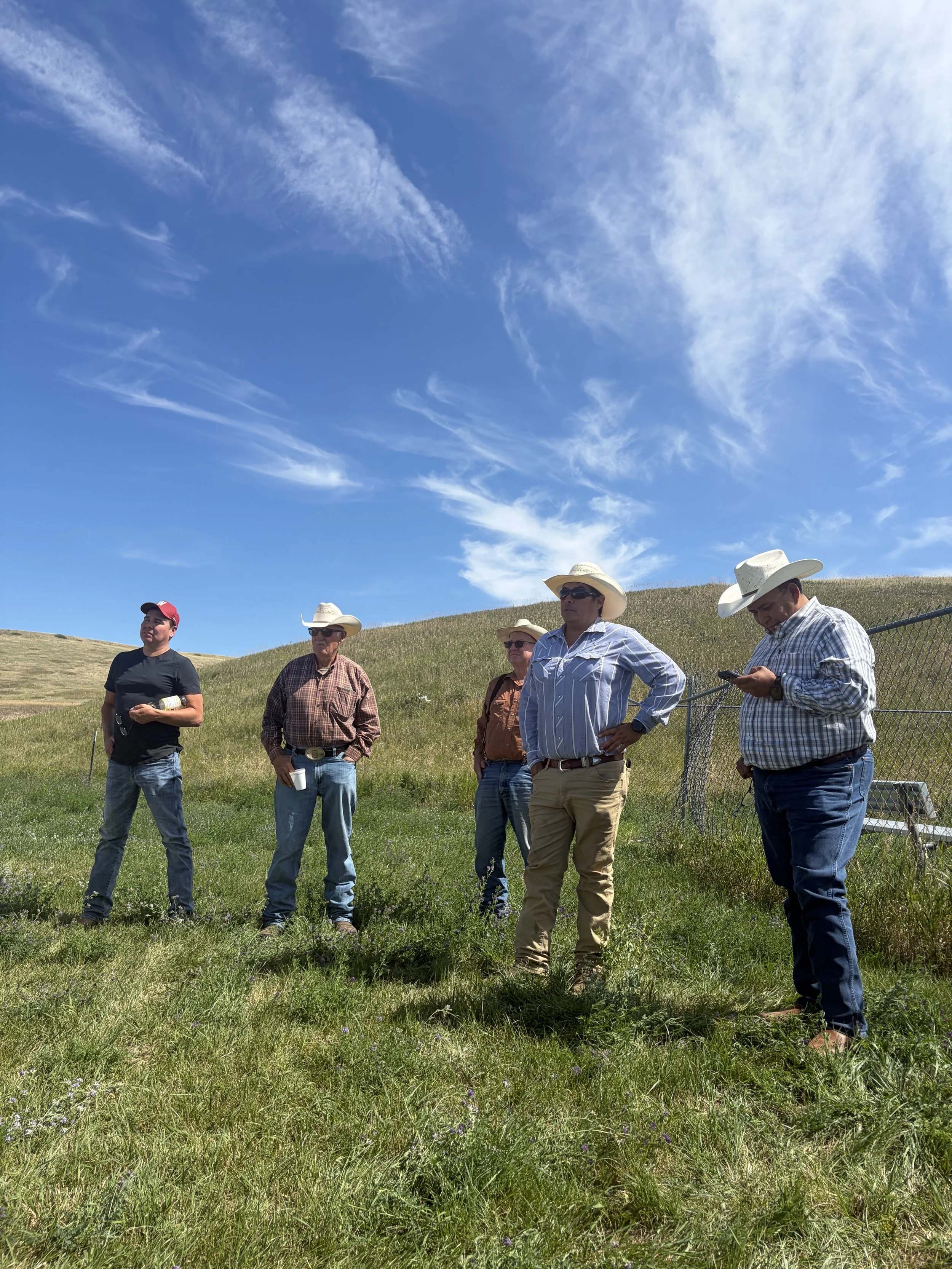
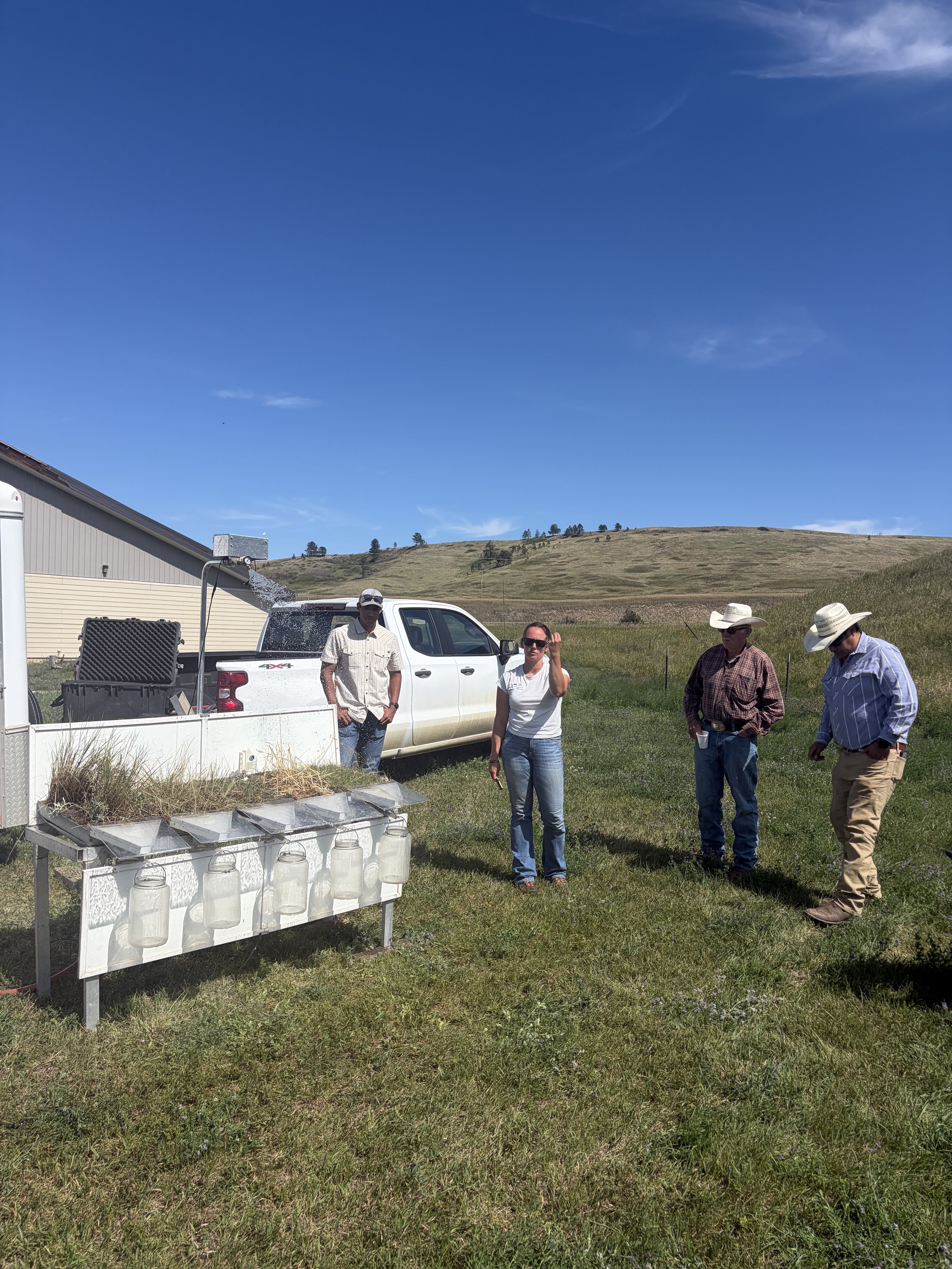
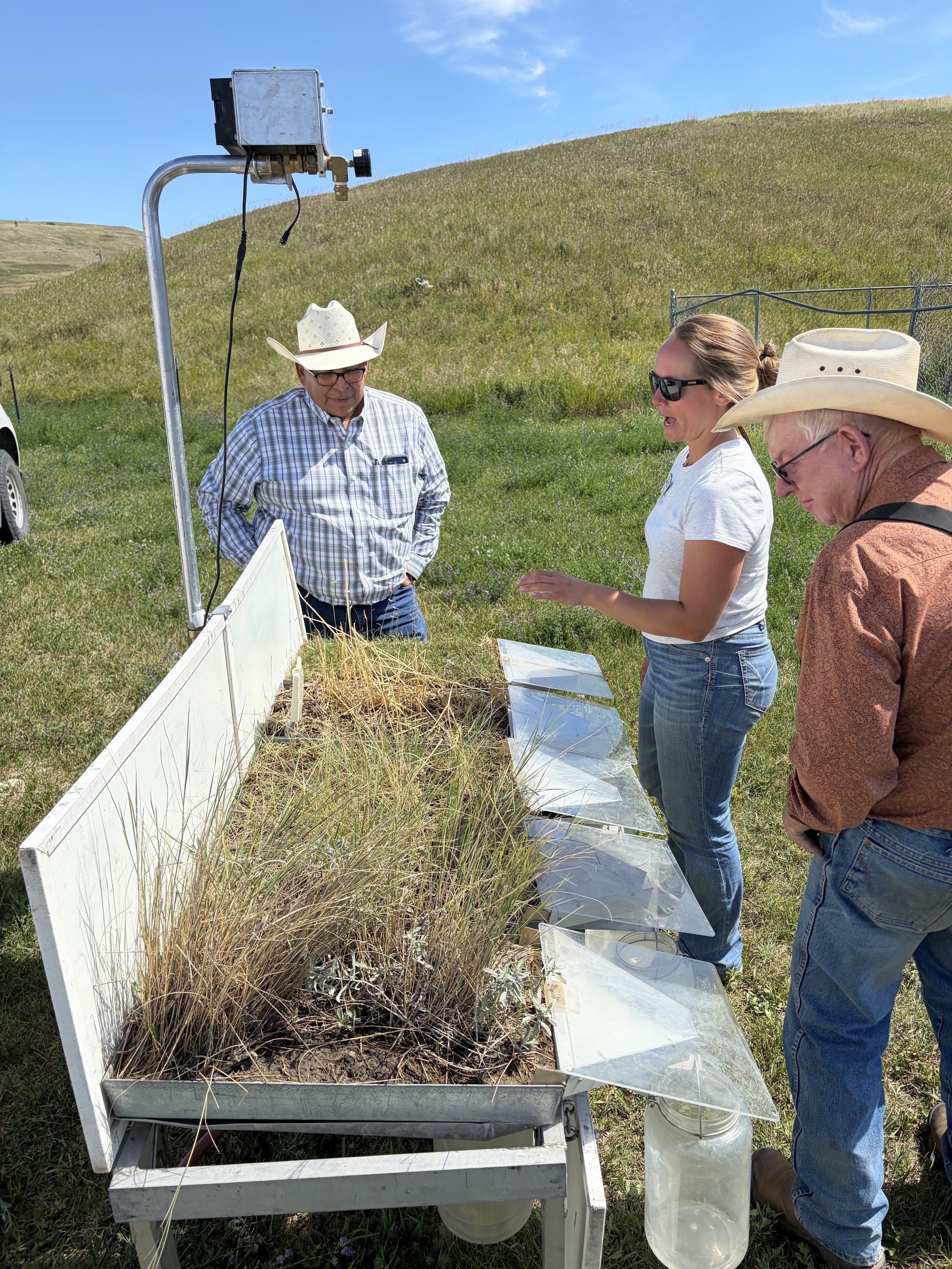
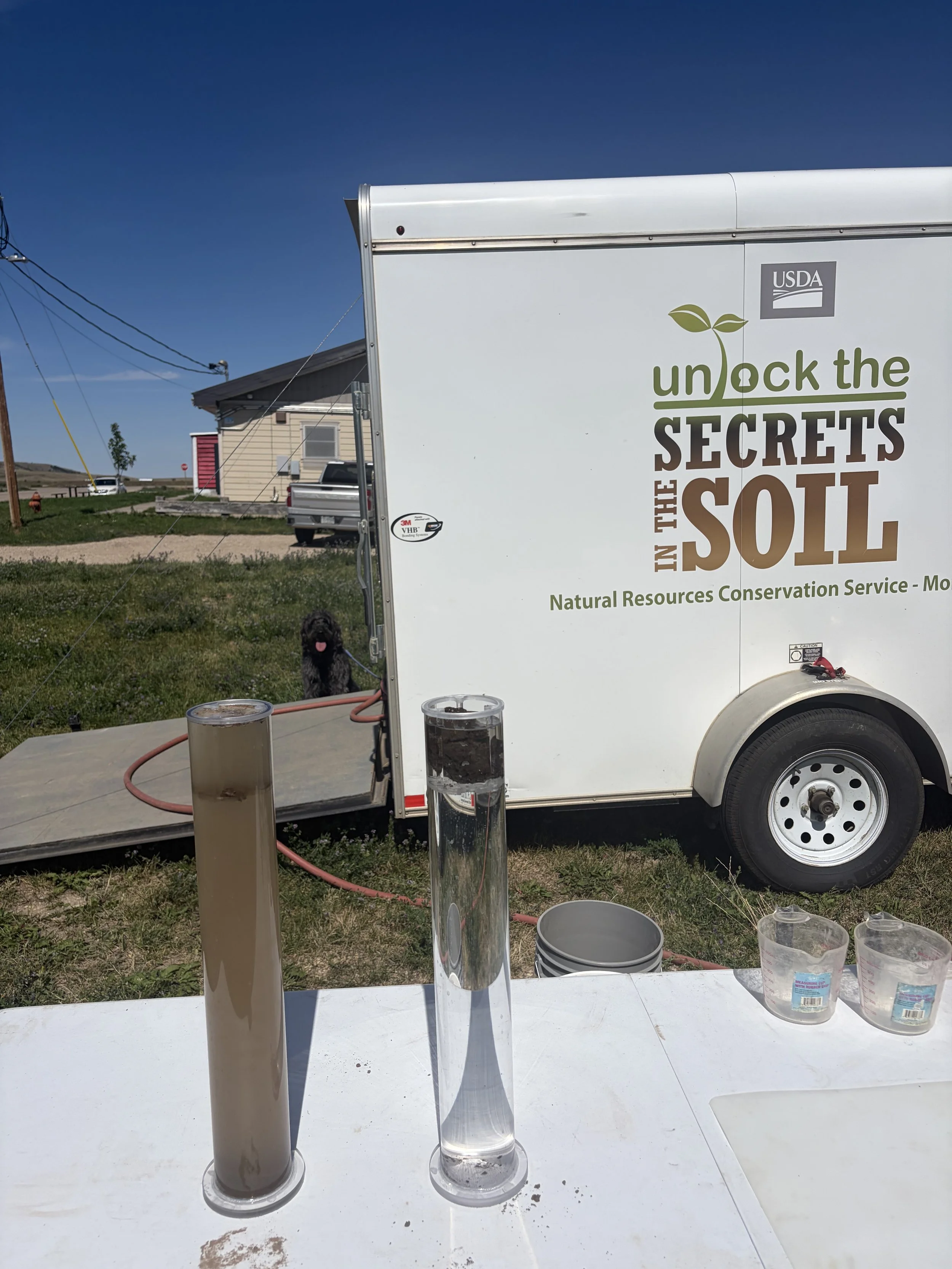
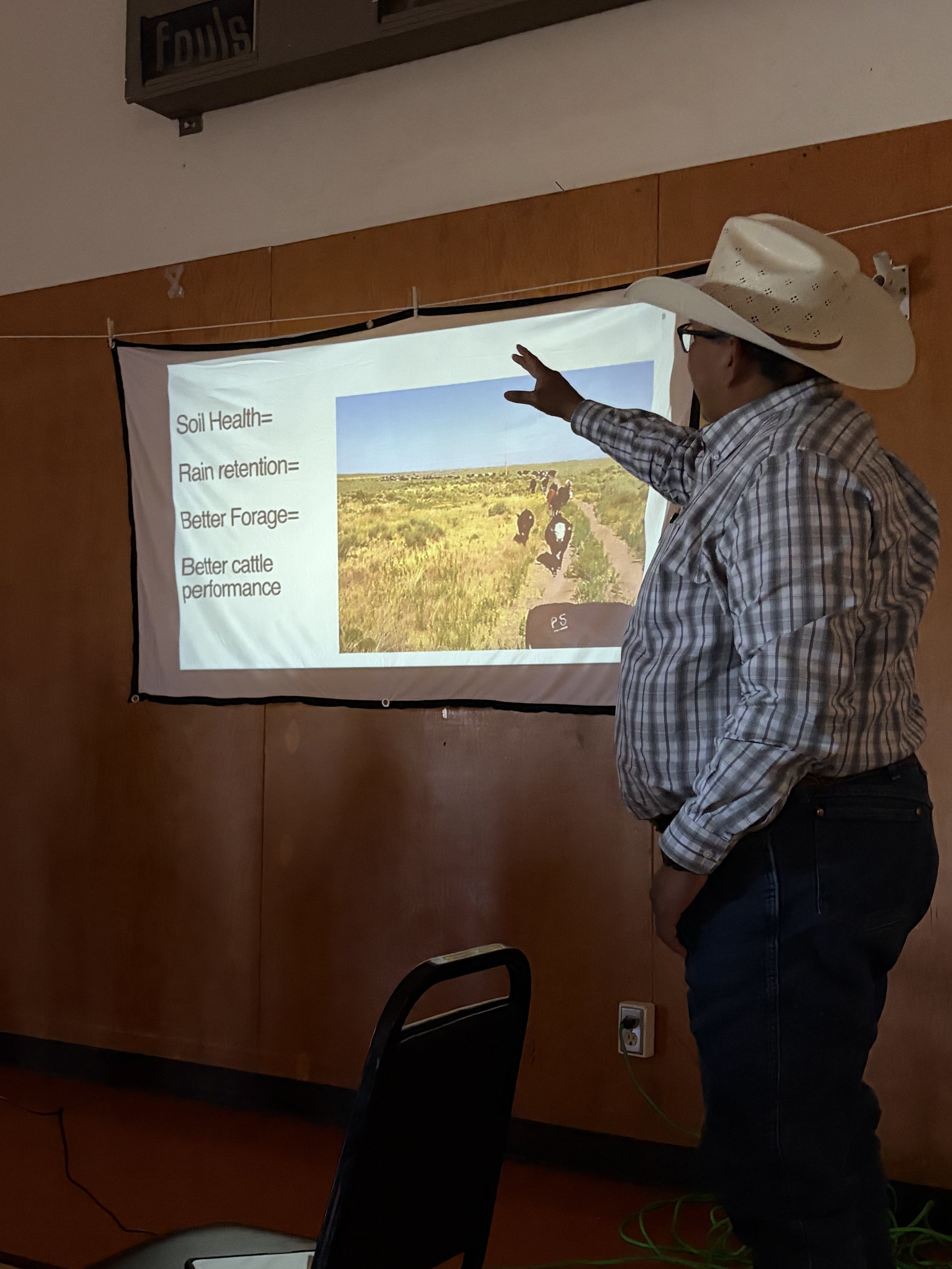
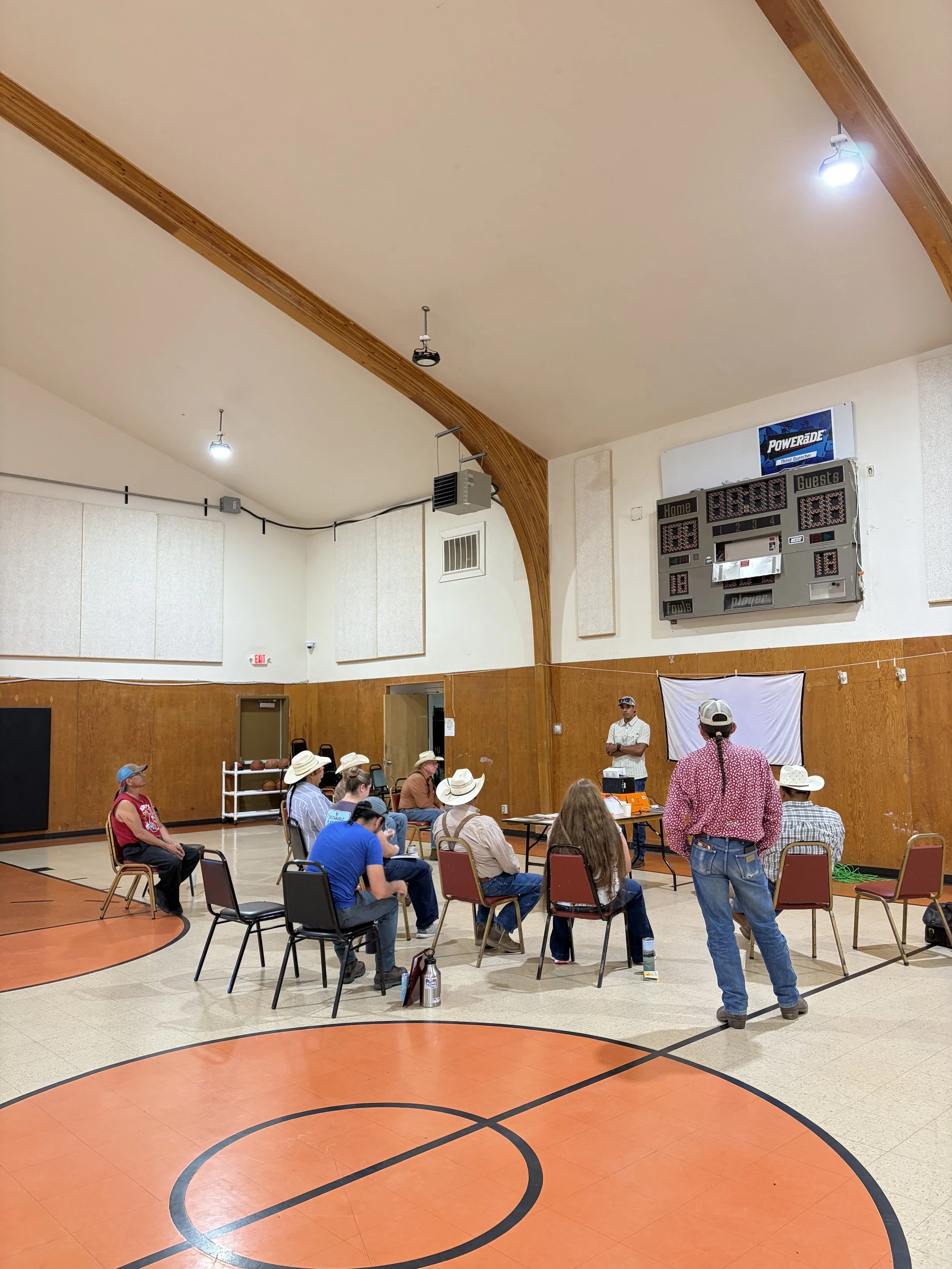
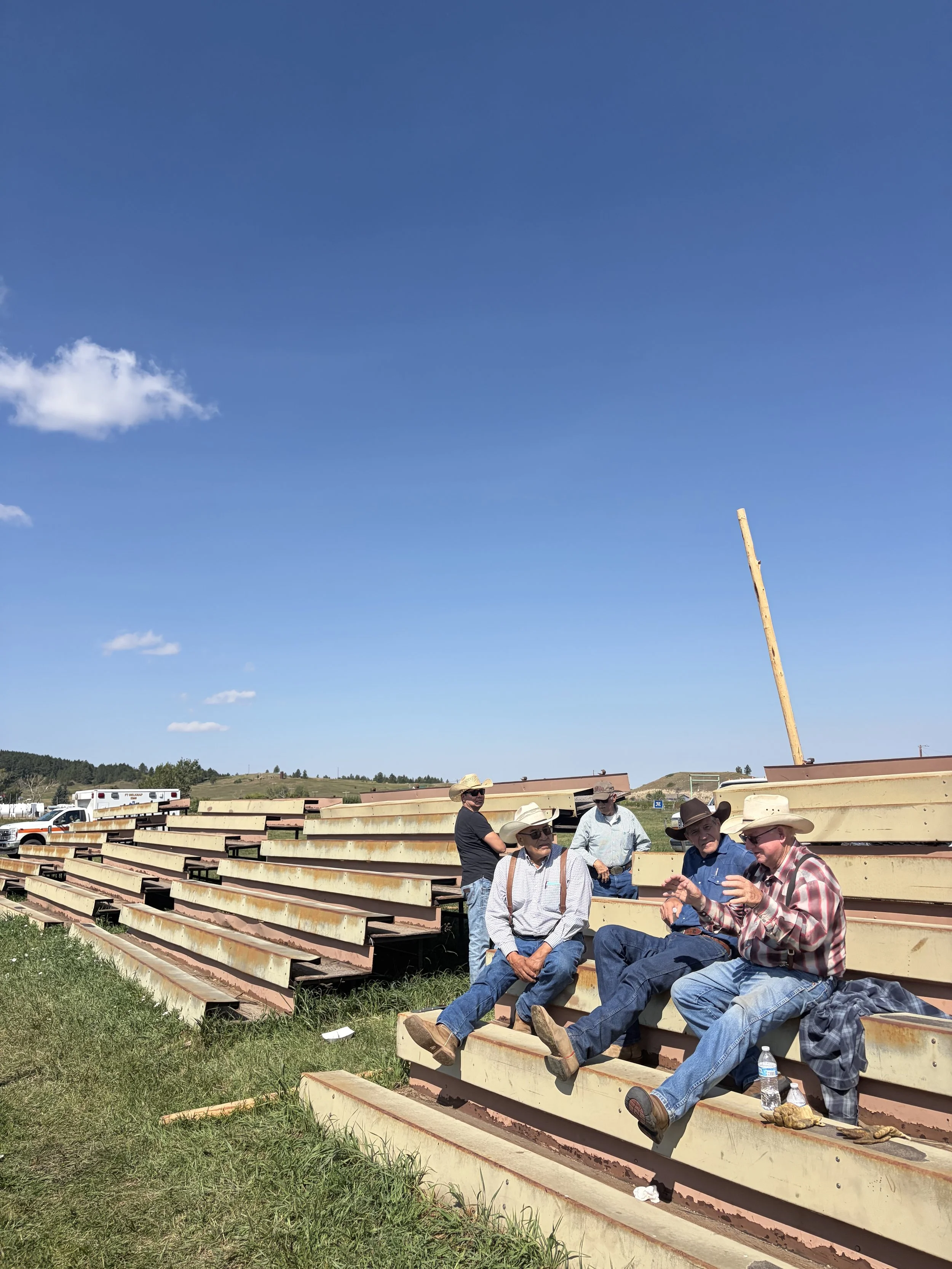
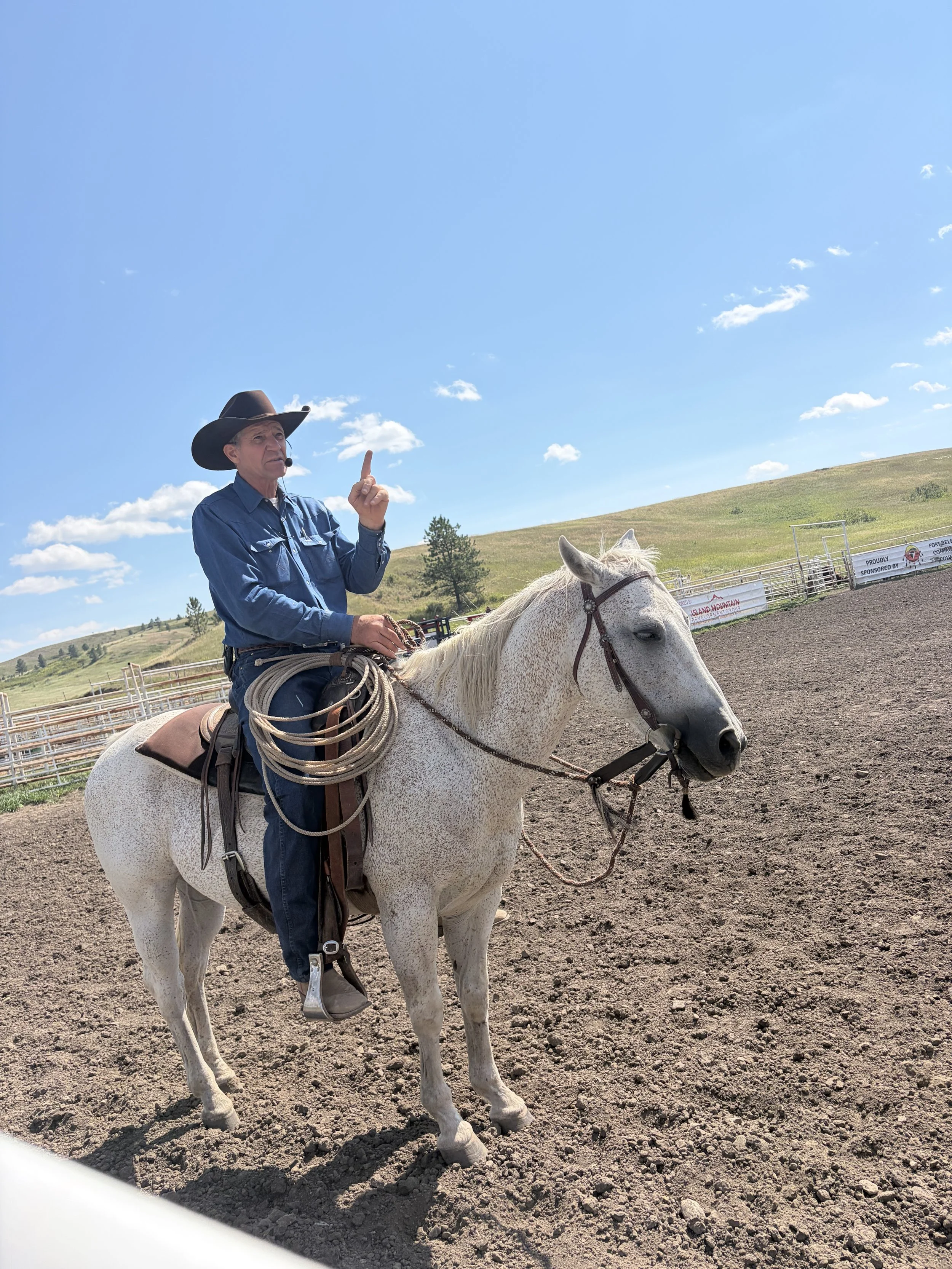
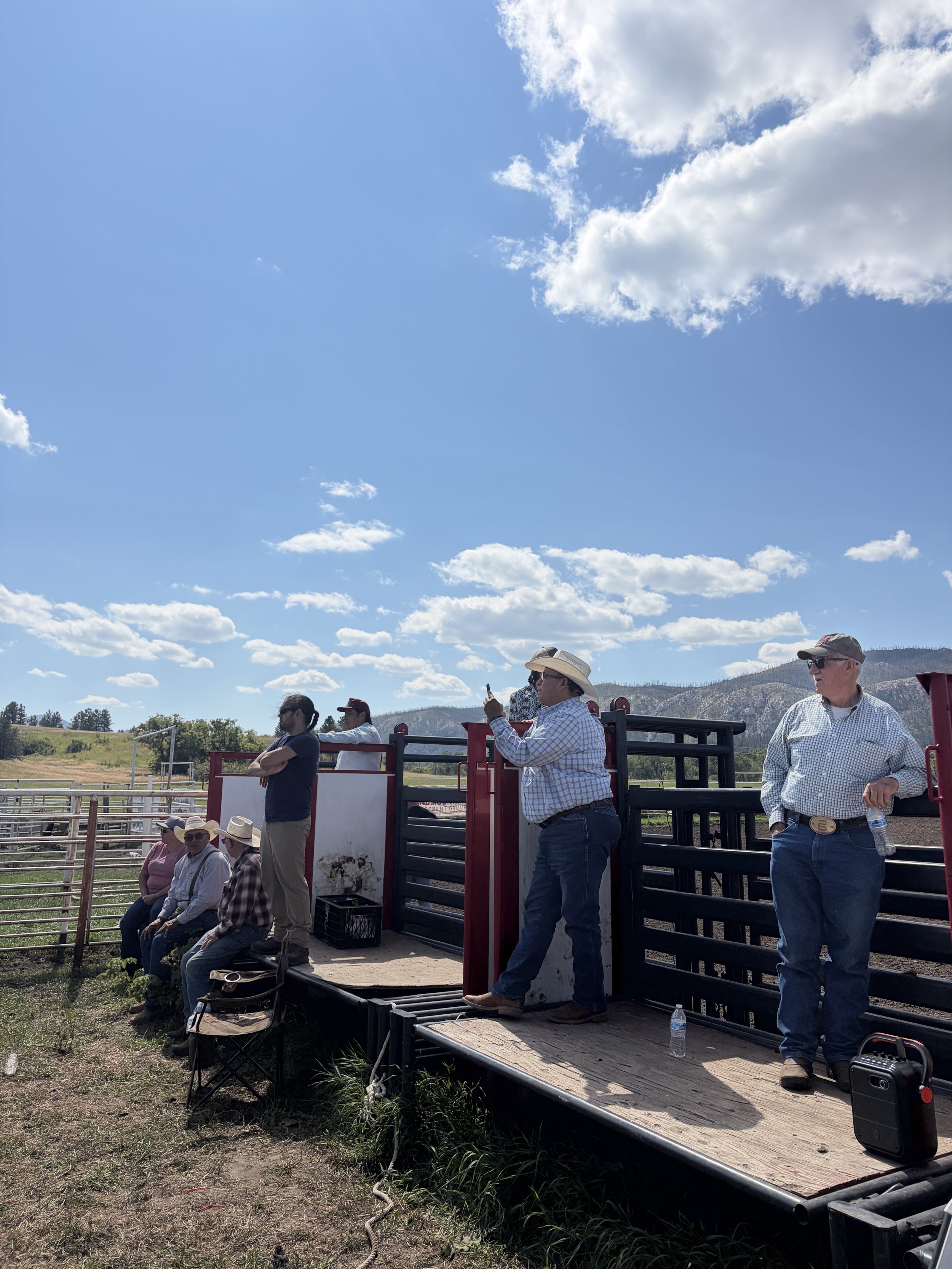
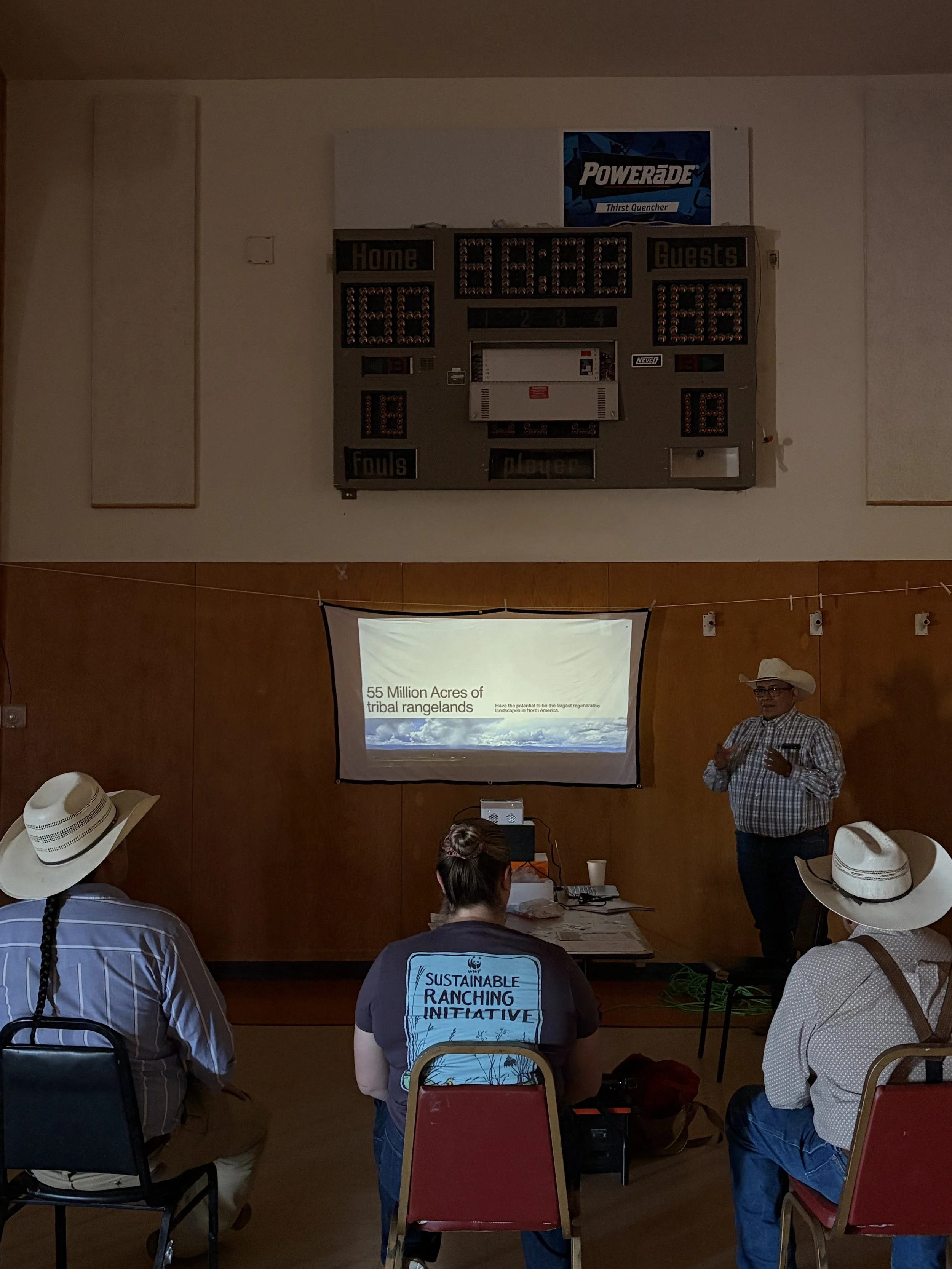
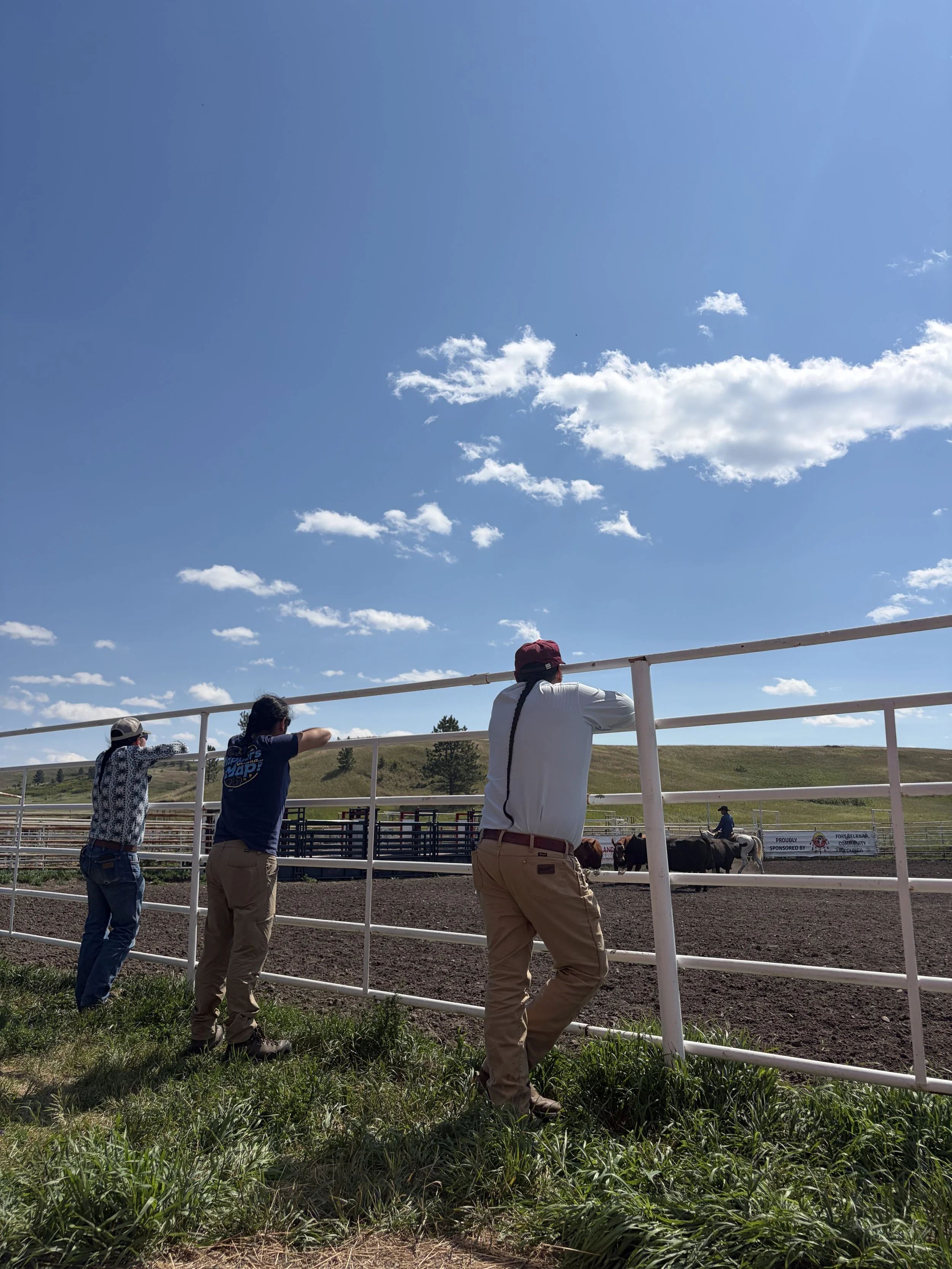
There is power in gathering together to learn from one another and be inspired to create solutions through community. This hands-on two-day workshop in Lodge Pole on the Fort Belknap Indian Community focused on low stress livestock handling and provided education about how to read rangeland indicators. The principles behind low stress livestock handling, soil health, and reading rangeland indicators are the same no matter where you live. The practices of how one applies those principles depends so heavily on context. Being together in-person allowed for ample time to begin contemplating the context through conversation. The crowd of attendees were curious and had traveled from Rocky Boy and as far away as Malta.
MT GLC worked with tribal producers to support the coordination of local organizations with needed resources for the community. With instruction from Curt Pate, Delane Attcity, Susan Massar, and Michael Kinsey. Robust dialogue consisted of how land stewardship often means finding ways to work with neighbors and stretching oneself to partner with additional available resources. Thank you to the Indigenous Grazing Lands Coalition for hosting MT GLC, and thank you to other partners including: Indian Nations Conservation Alliance; Intertribal Agriculture Council WWF International; Ranchers Stewardship Alliance; Sand County Foundation; Buffalo Nations Grasslands Alliance; and USDA NRCS MT.
Passing the Reins: A Succession Planning Workshop –
This past March, MT GLC supported the Quivira Coalition - New Agrarian Program with a mini-grant. The purpose of the workshop was to educate ranchers about succession planning, ensuring that land stewardship remains in the hands of local communities. Thoughtful succession planning is becoming increasingly important with many ranchers reaching retirement age. At the same time, the next generation of agrarians are seeking opportunities to become future land stewards.
The workshop was designed to spark meaningful conversations and share dialogue around examples of successful transitions by building a supportive and engaged community of new agrarians and seasoned farmers and ranchers. Equipping landowners and the incoming younger generation of land stewards with knowledge and skills to confidently begin and continue conversation around succession planning helps mitigate the risk of land being sold to out-of-state landowners or being subdivided.
“We believe that this event provided an opportunity for the agricultural community in eastern Montana to gather and connect with one another, to hear stories and challenges of succession planning, and to gain different perspectives from our early-career agrarian panel. Based on feedback surveys, the workshop also helped several people feel less alone in their succession planning journeys.”
MT GLC was one of multiple partners involved in this project, with other partners including the following: Plank Stewardship Initiative, World Wildlife Fund, Western Sustainability Exchange, Eastern Montana Regenerative Agriculture, Snow Mountain Development, and direct funding to eligible attendees who request financial support for registration and/or lodging from Rural Employment Opportunities. Collaboration is critical to ensure that such workshops happen and MT GLC is proud to support this important work.
To continue following our work and stay in touch, please follow MT GLC on Instagram and Facebook and check out our new website and blog. Join us and together, let’s continue strengthening grassroots efforts to keep grazing lands as grazing lands.
